As a supplier of piston air compressors, I understand the critical role these machines play in various industrial and commercial applications. Ensuring the longevity and optimal performance of piston air compressors requires regular and proper maintenance. In this blog, I will share the key aspects of maintenance that every piston air compressor owner should be aware of. piston air compressor

1. Regular Inspection of the Air Filter
The air filter is one of the most important components of a piston air compressor. It prevents dust, dirt, and other contaminants from entering the compressor, which can cause damage to the internal components. Over time, the air filter can become clogged with debris, reducing the airflow and increasing the workload on the compressor.
- Inspection Frequency: It is recommended to inspect the air filter at least once a month. In dusty environments, more frequent inspections may be necessary.
- Cleaning or Replacement: If the air filter is dirty, it can be cleaned if it is a reusable type. Use compressed air to blow out the dust from the filter, starting from the clean side. If the filter is damaged or cannot be cleaned effectively, it should be replaced with a new one.
2. Monitoring and Changing the Lubricating Oil
Lubricating oil is essential for the smooth operation of a piston air compressor. It reduces friction between moving parts, dissipates heat, and helps to seal the pistons.
- Oil Level Check: Check the oil level regularly, preferably before each use. The oil level should be between the minimum and maximum marks on the oil sight glass.
- Oil Change: The frequency of oil changes depends on the operating conditions and the type of oil used. Generally, it is recommended to change the oil every 500 – 1000 operating hours. However, in harsh environments or if the compressor is used intensively, more frequent oil changes may be required.
- Oil Quality: Use high – quality lubricating oil that is specifically designed for piston air compressors. Check the oil for signs of contamination, such as metal particles or a milky appearance, which may indicate a problem with the compressor.
3. Belt Tension Adjustment
In many piston air compressors, a belt is used to transfer power from the motor to the compressor pump. Proper belt tension is crucial for efficient power transmission and to prevent belt slippage.
- Inspection: Regularly inspect the belt for signs of wear, such as cracks, fraying, or glazing. A worn – out belt should be replaced immediately.
- Tension Adjustment: Check the belt tension using a belt tension gauge. If the belt is too loose, it can slip, reducing the compressor’s efficiency. If it is too tight, it can put excessive stress on the motor and bearings. Adjust the belt tension according to the manufacturer’s specifications.
4. Maintenance of the Cooling System
Piston air compressors generate a significant amount of heat during operation. A proper cooling system is essential to prevent overheating, which can damage the compressor components.
- Cooling Fins and Radiators: Inspect the cooling fins and radiators regularly for dirt and debris. Clean them using compressed air or a soft brush to ensure proper airflow.
- Cooling Fan: Check the cooling fan for proper operation. Make sure it is rotating freely and providing adequate airflow. Replace the fan if it is damaged or not functioning correctly.
5. Checking and Tightening Bolts and Nuts
Vibration during compressor operation can cause bolts and nuts to loosen over time. Loose bolts and nuts can lead to component misalignment, increased noise, and potential damage to the compressor.
- Regular Inspection: Inspect all bolts and nuts on the compressor, including those on the compressor pump, motor, and other components.
- Tightening: Use a torque wrench to tighten the bolts and nuts to the manufacturer’s specified torque values. This helps to ensure the proper assembly and stability of the compressor.
6. Maintenance of the Pressure Relief Valve
The pressure relief valve is a safety device that protects the compressor from over – pressurization. It opens automatically when the pressure inside the compressor exceeds a certain limit.
- Inspection: Regularly inspect the pressure relief valve for proper operation. Check for any signs of leakage or blockage.
- Testing: Periodically test the pressure relief valve by slowly increasing the pressure until the valve opens. Make sure it closes properly after the pressure is released. If the valve does not operate correctly, it should be repaired or replaced.
7. Monitoring the Compressor’s Performance
Regularly monitoring the compressor’s performance can help to detect potential problems early.
- Pressure and Temperature: Monitor the discharge pressure and temperature of the compressor. Abnormal pressure or temperature readings may indicate a problem with the compressor, such as a clogged air filter, a malfunctioning valve, or a cooling system issue.
- Noise and Vibration: Listen for any unusual noise or excessive vibration during compressor operation. These can be signs of mechanical problems, such as worn bearings or loose components.
8. Professional Maintenance and Servicing
While many maintenance tasks can be performed by the compressor owner, it is also important to have the compressor serviced by a professional technician at regular intervals.
- Scheduled Maintenance: Follow the manufacturer’s recommended maintenance schedule. A professional technician can perform more in – depth inspections and maintenance tasks, such as checking the internal components of the compressor, calibrating the controls, and performing leak tests.
- Diagnosis and Repair: If the compressor experiences any problems, a professional technician can accurately diagnose the issue and perform the necessary repairs. This helps to ensure the safe and efficient operation of the compressor.
In conclusion, proper maintenance of a piston air compressor is essential for its long – term performance and reliability. By following these maintenance guidelines, you can extend the lifespan of your compressor, reduce the risk of breakdowns, and ensure that it operates at its best.
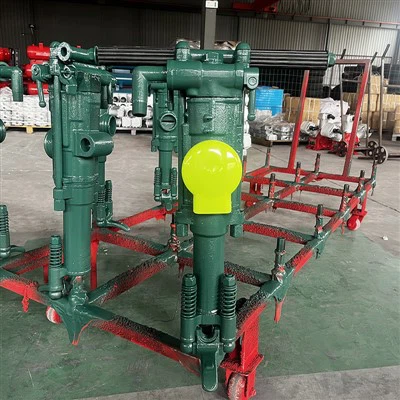
If you are in the market for a piston air compressor or need more information about maintenance and servicing, I encourage you to reach out to us. Our team of experts is ready to assist you with all your compressor needs. Whether you are looking for a new compressor or need advice on maintaining your existing one, we are here to help.
Diesel Generator References:
- Compressor Manufacturer’s Manuals
- Industrial Air Compressor Maintenance Guides
Quzhou Zhongdu Machinery Technology Co., Ltd.
Quzhou Zhongdu Machinery Technology Co., Ltd. is one of the most professional jack hammer manufacturers and suppliers in China. We warmly welcome you to wholesale customized jack hammer made in China here from our factory.
Address: Room 903, Building 7, Dongfang Plaza, Qujiang District, Quzhou City, Zhejiang Province
E-mail: xia@moderatemachine.com
WebSite: https://www.moderatemachine.com/
