In the dynamic landscape of the telecommunications industry, telecom shelters play a pivotal role in housing critical equipment and ensuring seamless communication. As a supplier of telecom shelters, I often encounter questions about the size of a typical telecom shelter. In this blog post, I will delve into the factors that influence the size of telecom shelters, explore the common dimensions, and discuss the importance of choosing the right size for your specific needs. Telecom Shelter

Factors Influencing the Size of Telecom Shelters
The size of a telecom shelter is not a one – size – fits – all concept. Several factors come into play when determining the appropriate dimensions for a shelter.
Equipment Requirements
The most significant factor is the equipment that needs to be housed within the shelter. Telecommunications facilities typically contain a variety of equipment, such as base transceiver stations (BTS), power supplies, batteries, and cooling systems. Each piece of equipment has its own physical dimensions and space requirements. For example, a large – scale BTS with multiple antennas and high – capacity power supplies will demand more space compared to a smaller, less complex setup. As a supplier, we work closely with our clients to understand their equipment inventory and future expansion plans to design a shelter that can accommodate all the necessary components comfortably.
Environmental Conditions
The location of the telecom shelter also affects its size. In regions with extreme weather conditions, such as high temperatures, heavy rainfall, or strong winds, additional space may be required for insulation, ventilation, and protection against the elements. For instance, in hot climates, larger shelters may be needed to house more efficient cooling systems to maintain the optimal operating temperature for the equipment. Similarly, in areas prone to flooding, the shelter may need to be elevated and have a larger footprint to ensure the safety of the equipment.
Accessibility and Maintenance
Accessibility for maintenance personnel is another crucial consideration. Adequate space must be provided within the shelter to allow technicians to move freely, perform routine maintenance tasks, and replace faulty components. This means that the shelter should have enough aisle space and clearances around the equipment. In addition, easy access to the shelter from the outside is also important, which may influence the overall layout and size of the structure.
Common Dimensions of Telecom Shelters
Telecom shelters come in a wide range of sizes to meet the diverse needs of the telecommunications industry. While there is no single "typical" size, some common dimensions can be identified based on the type of application and equipment requirements.
Small – Scale Shelters
Small – scale telecom shelters are often used in remote areas or for low – capacity applications. These shelters typically have a floor area ranging from 2 to 6 square meters. They are designed to house a limited amount of equipment, such as a single BTS, a small power supply, and a basic cooling unit. The height of these shelters is usually around 2 to 2.5 meters, providing enough space for technicians to stand and work inside.
Medium – Scale Shelters
Medium – scale shelters are more commonly used in urban and suburban areas where there is a higher demand for telecommunications services. These shelters typically have a floor area between 6 and 15 square meters. They can accommodate multiple BTS units, larger power supplies, and more advanced cooling systems. The height of medium – scale shelters is usually around 2.5 to 3 meters, allowing for better ventilation and easier access to the equipment.
Large – Scale Shelters
Large – scale telecom shelters are used in high – density areas or for large – scale network operations. These shelters can have a floor area of 15 square meters or more. They are designed to house a significant amount of equipment, including multiple BTS units, redundant power supplies, and complex cooling systems. The height of large – scale shelters can be up to 4 meters or more, providing ample space for equipment installation, maintenance, and future expansion.
Importance of Choosing the Right Size
Selecting the right size for a telecom shelter is crucial for several reasons.
Cost – Efficiency
Choosing a shelter that is too large for your equipment requirements can result in unnecessary costs. Larger shelters require more materials for construction, more energy for cooling and heating, and more space for installation and maintenance. On the other hand, a shelter that is too small may not be able to accommodate all the necessary equipment, leading to overcrowding, poor ventilation, and increased risk of equipment failure. By accurately assessing your equipment needs and choosing the appropriate size, you can optimize your investment and reduce long – term operating costs.
Equipment Performance
The size of the shelter can also have a significant impact on the performance of the equipment. A well – sized shelter provides adequate space for proper ventilation and heat dissipation, which is essential for maintaining the optimal operating temperature of the equipment. Overcrowded shelters can lead to heat buildup, which can cause equipment to malfunction or even fail. In addition, sufficient space allows for easy access to the equipment, making it easier to perform maintenance and repairs, which can help to extend the lifespan of the equipment.
Future Expansion
As the telecommunications industry continues to grow and evolve, it is important to consider future expansion when choosing the size of a telecom shelter. A shelter that is designed with future growth in mind can accommodate additional equipment and upgrades without the need for costly renovations or replacements. This can help to ensure the long – term viability of your telecommunications infrastructure and reduce the need for frequent capital investments.
How We Can Help
As a telecom shelter supplier, we have extensive experience in designing and manufacturing shelters of various sizes to meet the specific needs of our clients. Our team of experts works closely with you to understand your equipment requirements, environmental conditions, and future expansion plans. We use state – of – the – art technology and high – quality materials to ensure that our shelters are durable, reliable, and energy – efficient.
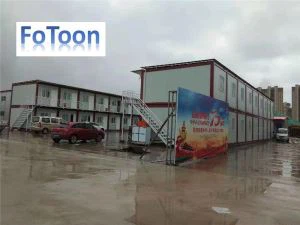
Whether you need a small – scale shelter for a remote location or a large – scale shelter for a high – density urban area, we can provide you with a customized solution that meets your exact specifications. Our shelters are designed to be easy to install, maintain, and expand, ensuring that you can get your telecommunications infrastructure up and running quickly and efficiently.
Prefab Container House If you are in the market for a telecom shelter, we encourage you to contact us to discuss your needs. Our sales team will be happy to provide you with more information about our products and services, and to help you choose the right size shelter for your application. We look forward to working with you to build a reliable and cost – effective telecommunications infrastructure.
References
- Telecommunications Industry Association (TIA) standards on shelter design and construction.
- Technical manuals of major telecom equipment manufacturers regarding equipment space requirements.
- Case studies of successful telecom shelter installations in different geographical locations.
Hangzhou Fengtu Import & Export Co., Ltd.
Hangzhou Fengtu Import & Export Co., Ltd. is one of the leading telecom shelter manufacturers and suppliers in China, providing good designing, manufacturing and assembling services for customers. Feel free to buy cheap telecom shelter made in China here and get quotation from our factory. All customized products are with high quality and low price.
Address: Room 1512, Building 1, Jiangnan Mingcheng, No. 818 North Shixin Road, Ningwei Street, Xiaoshan District, China
E-mail: stevexue@ftprefabhouse.com
WebSite: https://www.ftprefabhouse.com/
