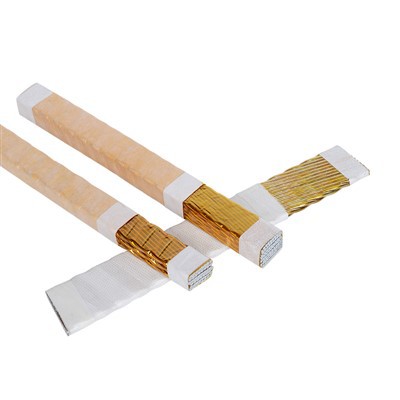
In the highly competitive electrical and electronics industry, the reliability of flat wire winding is a critical factor that can significantly impact the performance and longevity of various devices. As a dedicated flat wire winding supplier, I’ve witnessed firsthand the challenges and opportunities in this field. In this blog, I’ll share some practical strategies and insights on how to improve the reliability of flat wire winding. Flat Wire Winding
Understanding the Basics of Flat Wire Winding
Before delving into the ways to enhance reliability, it’s essential to understand what flat wire winding is and why it’s used. Flat wire, also known as rectangular wire, offers several advantages over round wire. It has a larger surface area, which allows for better heat dissipation. This is particularly important in high – power applications where heat management is crucial. Additionally, flat wire can be wound more tightly, resulting in a more compact and efficient coil.
However, flat wire winding also presents unique challenges. The rectangular shape of the wire requires more precise winding techniques to ensure proper alignment and spacing. Any misalignment or improper spacing can lead to short – circuits, reduced efficiency, and ultimately, a decrease in reliability.
Material Selection
One of the first steps in improving the reliability of flat wire winding is selecting the right materials. The quality of the wire itself is of utmost importance. High – purity copper is a popular choice due to its excellent electrical conductivity and corrosion resistance. However, the choice of insulation material is equally crucial.
The insulation should be able to withstand the operating temperature, voltage, and environmental conditions of the application. For example, in high – temperature applications, materials like polyimide or fluoropolymer insulation may be more suitable. These materials have high thermal stability and can prevent the wire from short – circuiting due to insulation breakdown.
It’s also important to consider the mechanical properties of the insulation. The insulation should be flexible enough to allow for smooth winding without cracking or peeling. At the same time, it should be tough enough to resist abrasion during the winding process and in the final application.
Winding Process
The winding process is where many potential reliability issues can arise. Precision is key in flat wire winding. Here are some factors to consider:
Tension Control
Maintaining consistent tension during the winding process is crucial. Too much tension can cause the wire to stretch or break, while too little tension can result in loose windings. A well – calibrated tension control system can help ensure that the wire is wound with the right amount of tension throughout the process. This not only improves the mechanical stability of the winding but also reduces the risk of short – circuits due to wire movement.
Winding Speed
The winding speed also affects the reliability of the flat wire winding. A high winding speed may increase productivity, but it can also lead to inaccuracies in winding. For example, at high speeds, the wire may not be properly aligned, or the insulation may be damaged. It’s important to find a balance between speed and precision. A slower, more controlled winding speed can often result in a more reliable winding.
Winding Pattern
The winding pattern can have a significant impact on the reliability of the flat wire winding. Different applications may require different winding patterns, such as single – layer, multi – layer, or toroidal winding. The pattern should be designed to minimize the risk of short – circuits and to ensure proper heat dissipation. For example, in a multi – layer winding, proper insulation between layers is essential to prevent short – circuits.
Quality Control
Quality control is an integral part of improving the reliability of flat wire winding. It should be implemented at every stage of the production process, from material inspection to final product testing.
Material Inspection
Before using the wire and insulation materials, they should be thoroughly inspected. This includes checking the dimensions, electrical properties, and mechanical properties of the wire and the insulation. Any defective materials should be rejected to prevent potential reliability issues in the final product.
In – process Inspection
During the winding process, in – process inspection should be carried out regularly. This can involve checking the winding tension, alignment, and spacing. Any deviations from the specifications should be corrected immediately to ensure the quality of the winding.
Final Product Testing
Once the flat wire winding is completed, it should undergo a series of tests to ensure its reliability. These tests may include electrical tests, such as resistance measurement and dielectric strength testing, as well as mechanical tests, such as vibration and shock testing. Only products that pass all the tests should be released to the market.
Environmental Considerations
The environment in which the flat wire winding operates can also affect its reliability. Factors such as temperature, humidity, and vibration can all have an impact on the performance of the winding.
Temperature
High temperatures can cause the insulation to degrade and the wire to expand, which can lead to short – circuits. In high – temperature applications, proper heat management is essential. This may involve using heat – sinks or cooling fans to keep the temperature within a safe range.
Humidity
Humidity can cause corrosion of the wire and insulation breakdown. In humid environments, it’s important to use moisture – resistant insulation materials and to ensure proper sealing of the winding to prevent moisture ingress.
Vibration
Vibration can cause the wire to move and the insulation to wear, leading to short – circuits. In applications where vibration is a concern, the winding should be properly secured and vibration – dampening materials may be used.
Continuous Improvement
Improving the reliability of flat wire winding is an ongoing process. It requires continuous monitoring, analysis, and improvement. By collecting data on product performance and customer feedback, we can identify areas for improvement and implement corrective actions.
We can also invest in research and development to explore new materials, winding techniques, and quality control methods. For example, new insulation materials with better thermal and mechanical properties may be developed, or more advanced winding machines with higher precision may be introduced.
Conclusion
As a flat wire winding supplier, I understand the importance of reliability in the products we provide. By carefully selecting materials, optimizing the winding process, implementing strict quality control, considering environmental factors, and continuously improving our processes, we can significantly enhance the reliability of flat wire winding.
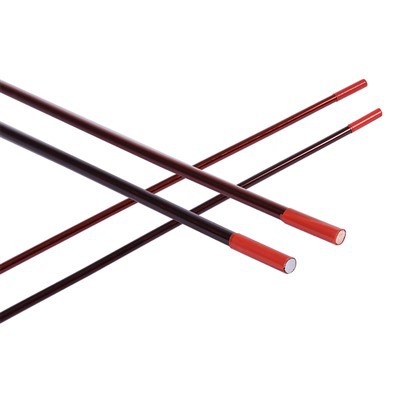
Enamel Wire If you’re in the market for high – reliability flat wire winding products, I encourage you to reach out to us. We have the expertise and experience to meet your specific requirements and provide you with top – quality products. Whether you’re working on a small – scale project or a large – scale industrial application, we’re here to help. Let’s start a conversation about how we can work together to achieve your goals.
References
- Grover, F. W. (1946). Inductance Calculations: Working Formulas and Tables. Dover Publications.
- Coil Winding & Insulation Technology Handbook. (2008). Elsevier.
- Electrical Insulation for Rotating Machines: Design, Evaluation, Aging, Testing, and Repair. (2014). IEEE Press.
Tianjin Jingwei Power Technology Co., Ltd.
As one of the most professional flat wire winding manufacturers and suppliers in China, we’re featured by quality products and good service. Please rest assured to buy durable flat wire winding made in China here from our factory. Contact us for more details.
Address: No.1 Chuangxin Rd. Xiaozhan Industrial Park, Jinnan District, Tianjin, China
E-mail: info@jwdc.cn
WebSite: https://www.jw-dcs.com/
