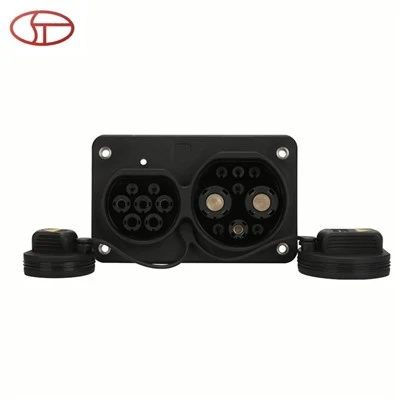
As a supplier of energy storage connectors, I’ve witnessed firsthand the critical role these components play in ensuring electrical isolation within energy storage systems. Electrical isolation is not just a technical requirement; it’s a safety imperative that protects both the equipment and the individuals interacting with it. In this blog, I’ll delve into how energy storage connectors achieve this vital function. Energy Storage Connector
The Basics of Electrical Isolation
Electrical isolation refers to the separation of electrical circuits to prevent the flow of current between them. This is crucial in energy storage systems, where high voltages and currents are common. By isolating different parts of the system, we can minimize the risk of short circuits, electrical shock, and other hazards.
Energy storage connectors are designed to provide a physical and electrical barrier between different circuits. They are made from materials with high electrical resistance, such as plastics and ceramics, which prevent the flow of current. Additionally, connectors are engineered with specific geometries and insulation techniques to ensure that electrical isolation is maintained even under challenging conditions.
Insulation Materials
One of the key factors in ensuring electrical isolation is the choice of insulation materials. Energy storage connectors typically use materials with high dielectric strength, which is a measure of a material’s ability to withstand an electric field without breaking down. Common insulation materials include:
- Plastics: Many energy storage connectors use plastics such as polycarbonate, nylon, and PTFE (polytetrafluoroethylene). These materials are lightweight, durable, and have good electrical insulation properties. They can be molded into complex shapes, allowing for the design of connectors that are both functional and space-efficient.
- Ceramics: Ceramics are another popular choice for insulation in energy storage connectors. They have excellent high-temperature resistance and electrical insulation properties. Ceramics are often used in applications where high voltages or extreme temperatures are present.
- Rubber: Rubber is a flexible insulation material that is commonly used in connectors. It provides good electrical insulation and can also help to seal the connector, preventing the ingress of moisture and other contaminants.
Design Features
In addition to the choice of insulation materials, the design of energy storage connectors also plays a crucial role in ensuring electrical isolation. Some of the key design features include:
- Contact Design: The contacts in energy storage connectors are designed to minimize the risk of electrical arcing. Arcing can occur when there is a high voltage difference between two conductors, and it can cause damage to the connector and the surrounding equipment. To prevent arcing, contacts are typically designed with smooth surfaces and proper spacing.
- Insulation Barriers: Energy storage connectors often include insulation barriers between different contacts or circuits. These barriers help to prevent the flow of current between adjacent conductors, reducing the risk of short circuits.
- Sealing: Proper sealing is essential to prevent the ingress of moisture and other contaminants, which can compromise electrical isolation. Energy storage connectors are typically designed with seals or gaskets to ensure a tight fit and prevent the entry of foreign substances.
Testing and Certification
To ensure that energy storage connectors meet the required standards for electrical isolation, they undergo rigorous testing and certification processes. These tests typically include:
- Dielectric Withstand Test: This test measures the ability of the connector to withstand a high voltage without breaking down. The connector is subjected to a specified voltage for a certain period of time, and if it passes the test, it indicates that the insulation is sufficient to prevent electrical breakdown.
- Insulation Resistance Test: This test measures the resistance of the insulation material to the flow of current. A high insulation resistance indicates that the connector is providing effective electrical isolation.
- Leakage Current Test: This test measures the amount of current that leaks through the insulation. A low leakage current indicates that the connector is well-insulated and that there is minimal risk of electrical shock or short circuits.
Certification from recognized standards organizations, such as UL (Underwriters Laboratories) and IEC (International Electrotechnical Commission), is an important indication of the quality and reliability of energy storage connectors. These certifications provide assurance that the connectors have been tested and meet the required safety and performance standards.
Real-World Applications
Energy storage connectors are used in a wide range of applications, from small-scale residential energy storage systems to large-scale grid-connected energy storage facilities. In each of these applications, electrical isolation is essential to ensure the safe and reliable operation of the system.
- Residential Energy Storage: In residential energy storage systems, energy storage connectors are used to connect the battery to the inverter and other components. These connectors must provide electrical isolation to protect the homeowner from electrical shock and to prevent damage to the equipment.
- Commercial and Industrial Energy Storage: In commercial and industrial energy storage systems, energy storage connectors are used in high-voltage applications. These connectors must be able to withstand high voltages and currents while maintaining electrical isolation. They are also often required to meet strict safety and performance standards.
- Grid-Connected Energy Storage: In grid-connected energy storage facilities, energy storage connectors are used to connect the energy storage system to the grid. These connectors must provide electrical isolation to prevent the flow of current between the grid and the energy storage system, which can help to stabilize the grid and improve its reliability.
The Future of Energy Storage Connectors
As the demand for energy storage systems continues to grow, the need for reliable and efficient energy storage connectors will also increase. In the future, we can expect to see the development of new materials and technologies that will further improve the electrical isolation and performance of energy storage connectors.
- Advanced Insulation Materials: Researchers are constantly exploring new insulation materials with even higher dielectric strength and better thermal properties. These materials could enable the design of connectors that can operate at higher voltages and temperatures, making them more suitable for a wider range of applications.
- Smart Connectors: The integration of smart technologies into energy storage connectors is another trend that is likely to gain momentum in the future. Smart connectors can monitor the electrical performance of the connector and provide real-time feedback on its condition. This can help to detect potential problems early and prevent failures.
- Miniaturization: As energy storage systems become more compact, there will be a growing demand for smaller and more lightweight energy storage connectors. Manufacturers are working on developing connectors that can provide the same level of electrical isolation and performance in a smaller package.
Conclusion
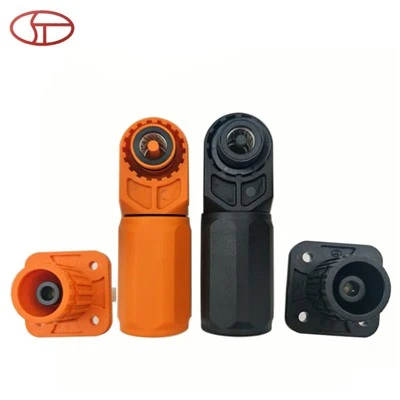
Energy storage connectors play a crucial role in ensuring electrical isolation within energy storage systems. By using high-quality insulation materials, innovative design features, and rigorous testing and certification processes, we can provide connectors that are safe, reliable, and efficient. As the energy storage industry continues to evolve, we are committed to developing new technologies and solutions that will meet the changing needs of our customers.
Energy Storage Connector If you are in the market for energy storage connectors, I encourage you to reach out to us to discuss your specific requirements. Our team of experts can help you select the right connectors for your application and provide you with the support and guidance you need to ensure a successful installation. We look forward to working with you to meet your energy storage needs.
References
- "Electrical Insulation Handbook" by John D. MacDonald
- "Energy Storage Systems: Design and Analysis" by Ali Keyhani
- Standards and guidelines from UL and IEC
Zhejiang Shitu Electric Co., Ltd.
As one of the most professional energy storage connector manufacturers and suppliers in China, we offer a wide range of products with superior quality. Please feel free to buy custom made energy storage connector from our factory. Good service and reasonable price are available.
Address: 1st and 2nd floors of Building C, Yueshang Entrepreneurship Park, Yueqing Economic Development Zone
E-mail: stdq@cnshitu.cn
WebSite: https://www.shitu-connect.com/
