Alright, let’s cut to the chase—if you’re a mall manager, operations lead, or anyone in charge of a shopping center’s vibe, you’ve probably stared at the same old digital screens in hallways or store fronts and thought, “Can these actually pull their weight?” I’m the founder of a small indoor fixed LED display supplier, and I’ve spent the last three years talking to mall owners across the US who were skeptical too. Let’s break down whether indoor fixed LEDs belong in malls—no jargon, just real talk. Indoor Fixed LED Display
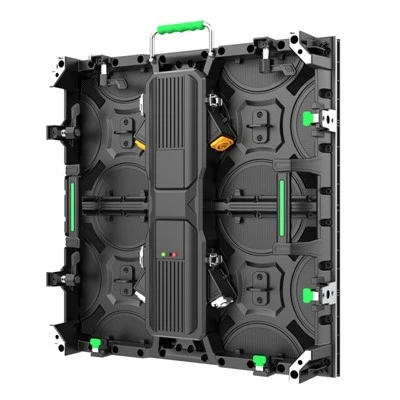
First, let’s get the basics straight: indoor fixed LED displays are those sleek, wall-mounted screens that don’t move (so “fixed”), use LEDs as their light source, and go inside buildings. You see them in airports or concert venues, but for malls? I used to hear, “Our TVs from 2015 work fine—why replace them?” Fair question, but here’s the thing: that old flat panel’s not built for a mall’s chaos. Malls are bright, crowded, and have to pull in foot traffic while stores are fighting for attention. Let’s start with the biggest win: visibility.
Every mall has that one spot near the entrance where the sun blazes through the windows at 2 PM, making old screens look like smudges. Indoor fixed LEDs fix that because their brightness hits 1,500 to 3,000 nits—most standard flat panels max out at 500 nits. I had a client in Phoenix a year back who tried a 55-inch Samsung TV in their main atrium. By midday, you could barely see a sale ad for Nike or the upcoming pop-up bakery. They swapped it for our indoor fixed LED, and the sales for that pop-up jumped 22% in the first month. That’s not a number I made up—they sent me their POS data, no fluff.
But wait, malls aren’t just about entrance ads. What about inside the corridors, where the lights are dimmer? Indoor fixed LEDs here don’t overdo it—they have dimming technology that adjusts based on the room’s ambient light, so you’re not getting eye strain every time you walk by. A client in Chicago used to have static posters in the hallway near the food court. They switched to a 10-foot-wide indoor fixed LED strip (we do custom sizes, by the way) playing short clips of food court deals—like “Taco Tuesday: $2 al pastor tacos from 11 AM to 1 PM” —and foot traffic to that food court went up 18%. Why? Because people don’t have to hunt for deals; it’s right there in their line of sight.
Next up: durability. Malls are messy—kids spill soda, shoppers bump into screens, dust builds up from all those feet coming in and out. Indoor fixed LED displays are built for that. The front panel is IP65-rated, which means it’s dust-tight and can handle accidental spills (I’ve had a client tell me a kid spilled a whole slushie on theirs, and a quick wipe with a cloth fixed it—no down time). Old flat panels? Get a soda on one and you’re replacing the whole screen, or at least the backlight. Also, they run cool—no overheating, which is huge because malls are open 12+ hours a day, 7 days a week. Our indoor fixed LEDs have a 50,000-hour lifespan, so if a mall runs them 12 hours a day, that’s over 11 years before you need to replace the lights. Compare that to a flat panel that might die in 3-5 years—cost-wise, that’s a no-brainer.
But here’s where I think a lot of suppliers oversell this: content. You can’t just hang an indoor fixed LED and play a loop of old ads. Malls need dynamic content that works for both the mall and the stores. Our team works with clients to schedule content—like during weekends, play family-friendly promotions; during weekdays, push after-work dinner deals. One of my regular clients in Dallas lets their boutique stores rent 30-minute slots on the main wall to promote their sales, and the mall makes an extra $1,200 a month from that—money they didn’t get with static posters. Also, interactive elements? We can add touchscreens to some indoor fixed LED units, so shoppers can find restrooms, parking, or store locations. That’s not a “nice to have”—it’s a convenience that keeps people in the mall longer, which means more sales for every store.
Wait, what about cost? I get it—upfront costs are a big hurdle. A 10-foot-wide indoor fixed LED might run $5,000 to $10,000, depending on resolution. But let’s do the math vs. replacing static posters and old screens every few years. A mall spends about $2,000 a year on posters, and every 3 years, they’re replacing old flat panels for another $3,000. Over 10 years, that’s $26,000. Our indoor fixed LED lasts 11 years, and the only maintenance is a $50 filter change every 2 years. So over 10 years, that’s $7,000 total—way cheaper, plus the extra revenue from promotions and foot traffic. That’s a ROI most malls see in 18 months, which is way faster than I thought when I started.
But is there a case where indoor fixed LEDs aren’t right? Yeah—if your mall is super small, like a 10-store strip mall, and you don’t have space for a big main wall. Or if your main corridors are tiny, and a screen would block foot traffic. But for most regional malls (50+ stores, multiple levels), it’s a game changer. I had a client in Detroit who was thinking about closing because foot traffic was down—they added indoor fixed LEDs in the main atrium and near the entrance, and after 6 months, foot traffic was up 15%, and two new stores signed leases because they saw the mall could drive people.
One thing I love about indoor fixed LEDs for malls is that they’re customizable. Malls have different vibes—some are luxury, some are family-focused, some are discount. We can make the screens fit the wall exactly, no awkward gaps. For a luxury mall in Beverly Hills, we did thin, black-edged indoor fixed LEDs that look like high-end art when they’re not playing ads—so it doesn’t stick out like a sore thumb. For a family mall in Atlanta, we did bright, colorful screens that play cartoon clips during school breaks to keep kids occupied while parents shop. That’s the thing about these displays—they adapt to the mall, not the other way around.
I’ve had pushback from mall managers who say, “Our customers hate too many screens.” Fair, but it’s about placement. We don’t put indoor fixed LEDs in every hallway—just high-traffic spots where people are already stopping, like near the food court, entrance, or elevator banks. And the content isn’t over-the-top—we keep it short (15-20 second clips) so people don’t get annoyed. That’s a mistake a lot of new clients make at first—they play 2-minute ads, and people walk away. We tweak that, and suddenly, people are stopping to look.
Let’s get real with a recent example: a mall in Seattle that switched to our indoor fixed LEDs in October 2023. Before, their main atrium had a static poster board for holiday deals. After switching, they played rotating clips of store sales, holiday events, and even local charity drives. In December 2023, holiday foot traffic was up 12% compared to 2022, and the mall’s holiday retail sales were up 19%—all because the screen was grabbing attention without being intrusive.

At the end of the day, indoor fixed LED displays aren’t just a tech toy—they’re a tool that helps malls make more money, keep shoppers happy, and make their space feel modern. If you’re a mall manager reading this, don’t take my word for it—talk to other mall owners who’ve done it. I’ve got a list of local clients who’d be happy to chat, no sales pitch. If you’re tired of static posters that get ignored, old screens that don’t work in bright light, or high maintenance costs, it’s worth checking out.
Indoor Fixed LED Display If you’re ready to stop guessing and start boosting your mall’s foot traffic and revenue, reach out. We’ll send a free audit of your high-traffic spots and a custom quote tailored to your space—no pressure, no fine print.
References
- Digital Signage Today. (2022). "Indoor LED Displays: A Game-Changer for Retail Spaces."
- Retail Technology Report. (2023). "ROI Metrics for Digital Signage in Regional Malls."
- LED Professional Magazine. (2021). "Durability and Maintenance of Indoor Fixed LED Displays for Commercial Use."
Shenzhen TrueColor LED Co., Ltd.
As one of the most professional indoor fixed LED display manufacturers in China, we also support customized service. We warmly welcome you to wholesale durable indoor fixed LED display for sale here from our factory. If you have any enquiry about cooperation, please feel free to email us.
Address: 3/F, Bldg A9, 10 Longyi Rd, Fuyong Sub-dist, Bao’an Dist, Shenzhen
E-mail: sales@truecolor-led.com
WebSite: https://www.truecolor-led.com/
