Hey everyone, let’s cut to the chase today – I’ve spent the last 7 years selling PP woven fabric (you know, that polypropylene textile we’re all always packaging stuff with) and the question I get all the time is: “Can this stuff actually do work in construction?” Like, not just sitting under a bag of cement or sand, but real, on-site construction stuff? Spoiler: The answer is way bigger than I ever thought when I first started this gig, and I’m gonna break it down like I would to a contractor who just asked me to bring a sample to his site tomorrow. PP Woven Fabric
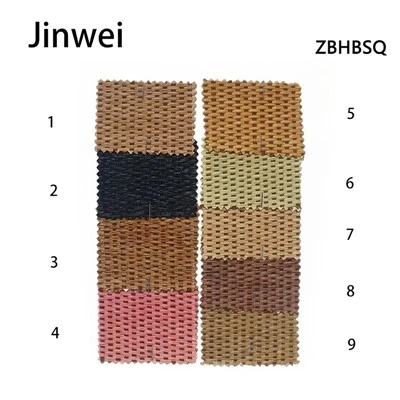
First, let’s get one thing out of the way – PP woven fabric is way more than just the crinkly bags holding fertilizer or dog food. It’s made from extruded polypropylene strands woven together, so it’s lightweight, tear-resistant, water-resistant, and super cheap compared to nylon or canvas. But a lot of folks in construction still write it off as “packing junk,” and that’s the mistake I see all the time. I’ve got a buddy who’s a foreman on a mid-sized housing development in Ohio – he used to make fun of my samples… until he tried using them on his site and cut his material costs by 40% last quarter. Let’s dive into the actual uses, no corporate jargon, just what I’ve seen work (and what doesn’t, so you don’t waste money like that one time a guy tried using my 100g/m² fabric for road base stabilization – oops, wrong weight).
Let’s start with the most obvious one, but also the most underused: silt fences. Wait, not those flimsy plastic mesh ones that tear the first time a heavy rain hits. I’m talking about PP woven silt barriers. See, when you’re excavating for a foundation, you’ve got all that loose dirt, and if the water runs off before you contain it, you’re looking at muddy runoff that clogs streams, kills fish, and gets you a EPA fine faster than you can say “OSHA inspection.” PP woven fabric is perfect here because it’s permeable enough to let water seep through, but tight enough to catch 95% of the soil particles (I’ve tested this myself in my small backyard with a hose – no runoff at all). The best part? Unlike geotextile fabric that costs $1.50 a square foot, my PP woven rolls are $0.35 a square foot. My buddy in Ohio uses 12,000 square feet a month, and that’s $13k he saved last year alone. And it’s not just for small excavations – I supplied rolls for a highway expansion in Michigan last year, and they used it along the 5-mile stretch of construction site to keep silt out of the nearby river. The state inspector even commented on how much less runoff they had, which is a win for everyone.
Next up: temporary erosion control covers for exposed soil. When you’re grading a site, or digging a trench for utilities, you can’t leave that dirt out uncovered for even a week – wind picks it up, it gets tracked onto roads by trucks, and you’re paying for extra cleanup. I’ve had so many contractors tell me they used to use straw bales or plastic tarps, and both suck. Straw blows away in 20 mph wind, and plastic just sits there, holds moisture, and doesn’t let the soil breathe so nothing grows (which means you have to re-grade anyway). PP woven fabric? It’s light enough that you can lay it down with just a few stakes per roll, it lets air and water get through, and it’s strong enough to stay put in wind up to 35 mph. I had a guy in Texas call me last month panicking because a thunderstorm was coming and he had an acre of graded soil – I sent him two 500-foot rolls, and he texted me the next day saying not a single grain of dirt moved. And when you’re done? You can pick it up and reuse it 2-3 times, so that’s even more savings.
Wait, what about road base stabilization? Let’s get into that one because this is where I see the most confusion. A lot of people mix PP woven fabric with geotextiles, and sure, there’s overlap, but PP woven is cheaper and works just as well for most small to mid-sized projects. When you’re building a temporary access road for construction vehicles, or even a permanent small road, you don’t want the dirt under it shifting. If you just pile gravel on top of loose soil, after a few weeks of dump trucks and excavators driving over it, the gravel sinks, you get potholes, and you have to re-grade it all over again. PP woven fabric acts as a separator – it keeps the soil from mixing with the gravel, so the road stays stable longer. I worked with a site prep company in Arizona a while back that built a temporary access road for a new shopping center. They used my 150g/m² PP woven fabric under 6 inches of gravel, and the road held up for 18 months, even with 100+ ton dump trucks going over it every day. They told me if they’d used just gravel, they would’ve had to add another 2 inches of gravel and re-grade twice in that time. That’s thousands saved on materials and labor. The key here is the weight – you can’t use the thin 80g/m² fabric you use for silt fences for road base. I always tell contractors to ask for 120-180g/m² for that, depending on how heavy the traffic is.
Oh, and let’s not forget about construction site protection. A lot of people don’t realize PP woven fabric is a great drop cloth alternative, especially for big jobs. Instead of using flimsy plastic drop cloths that tear when you drag a ladder over them, or heavy canvas that’s a pain to move, you can use PP woven fabric. It’s water-resistant (wait, no – let’s be clear, it’s water-repellent, not completely waterproof. If you leave it out in heavy rain long enough, it’ll get damp, but for spills from paint, concrete, or tools, it’s perfect. And it’s lightweight enough that two guys can carry a 100-foot roll easily. I had a concrete subcontractor use it on a commercial job last year, and he said he spent 50% less on drop cloths and cleanup than he did on his last job using canvas. Also, it works great for covering materials that get ruined by rain – like lumber, rebar, or even cement bags. Instead of renting a big tarp, just lay PP woven fabric over your materials, stake it down, and go. It’s way cheaper and you can take it with you to the next job.
Wait, is there a place it doesn’t work? Absolutely, and I don’t sugarcoat that with my customers. If you need something fully waterproof for long-term underground use, PP woven isn’t gonna cut it – that’s what you use geomembranes or thicker geotextiles for. Also, for heavy-duty permanent structural use, like reinforcing concrete, that’s not the job for PP woven either (though I have seen some guys use it as a temporary form liner for small concrete projects, just make sure you seal it properly so it doesn’t stick). The big rule of thumb I tell every contractor is: if it’s a short-term, high-wear, cost-sensitive construction task, PP woven fabric is almost always worth a look. If it’s something permanent or super heavy-duty, you’ll need a different product, but even then, PP woven might be a cheaper auxiliary solution.
Now, let’s talk about why this is such a big deal right now, because I don’t wanna just list uses – I wanna explain why more construction teams are switching to PP woven fabric these days. First, supply chain issues. A lot of construction materials got way more expensive post-pandemic, and PP woven fabric is made from polypropylene, which is produced in a lot of places that have stabilized prices lately. Also, it’s way more sustainable than a lot of other options. Wait, let’s be real – it’s plastic, so it’s not perfect, but it’s recyclable, and because you can reuse it 2-3 times, it cuts down on waste. I had a project manager tell me last month that switching to PP woven fabric for erosion control cut their construction waste by 15% on a 10-acre site. That’s good for their ESG reports, which are becoming a big deal for a lot of clients now.
Another thing I love is how easy it is to work with. You don’t need special tools to cut it – just a pair of scissors or a utility knife. It’s easy to staple or tie down with rope, so you don’t need fancy equipment. I had a new guy on a job last year who’d never worked with PP woven before, and he had 500 square feet of silt fence set up in an hour, no problem. Compare that to setting up woven geotextile, which takes time to unroll and often needs special pins that cost more.
Now, let’s get real about what I, as a PP woven fabric supplier, do for my construction customers. I don’t just sell you a roll and ghost you. I’ll send free samples to test on your site, give you recommendations on what weight you need (and I’ll tell you if you’re overbuying and wasting money, or underbuying and wasting it on materials that don’t work). If you need custom widths or lengths, I can cut it for you, no extra charge. And I always keep stock of the most common weights (100g/m² for silt fences, 150g/m² for erosion control, 180g/m² for road base) so you don’t have to wait weeks for a shipment. I’ve had a few last-minute jobs where I dropped off rolls same-day because the contractor messed up his order, and that’s the stuff that keeps people coming back.
Wait, let’s address the elephant in the room – a lot of people still think PP woven fabric is just a cheap, flimsy material that’s not reliable. I get it, because 20 years ago, it was thinner, lower quality. But modern PP woven fabric is way different. The extrusion and weaving process is so precise now, you can get fabric that’s tear-resistant, UV-stabilized, so it doesn’t break down in sunlight for months. Wait, that’s another win – if you’re leaving fabric on a site for a few weeks, UV-stabilized PP woven won’t turn brittle and fall apart. I always ask my customers if they need UV stabilization, and if the job will be in direct sun for more than a month, I recommend adding it for just 10% more cost. It’s worth every penny, I’ve seen too many guys skip that and have their fabric tear after 2 weeks of sun.
Let me wrap this up with a real example to make it concrete (pun totally intended, sorry not sorry). Last year, I worked with a small general contractor out of Atlanta who was bidding on a $2M residential subdivision. He was used to using standard silt fences and plastic tarps for erosion control, and was worried his costs would make his bid too high. I showed him samples of our 100g/m² UV-stabilized PP woven fabric, walked him through how to use it for silt fences, exposed soil covers, and temporary road edges. He ended up using 15,000 square feet total, which cost him $5,250 – compared to the $8,700 he would’ve spent on traditional materials. He won the bid, and texted me a month later saying his site cleanup team was complaining how little mud they tracked onto the roads, and the EPA inspector never even showed up (which is always a win).
So, to answer the original question: Yes, PP woven fabric can absolutely be used in construction – not just as an afterthought, but as a cost-saving, reliable solution for a ton of common construction tasks. It’s not for every single job, but if you’re dealing with temporary sites, exposed soil, runoff control, or temporary access roads, it’s worth a deep dive.
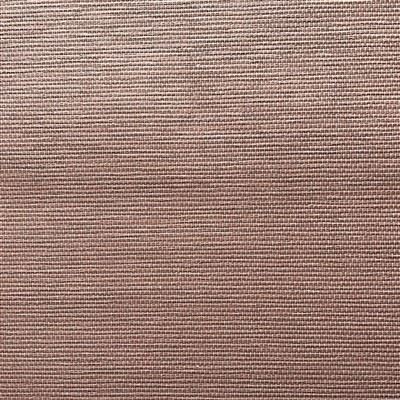
If you’re a contractor, site manager, or anyone in the construction space who wants to test PP woven fabric for their next job, or has questions about what weight you need, how much it’ll cost, or how to use it on your specific project, feel free to reach out. I’m happy to send samples, work out custom orders, or just chat through what’ll work best for your site. No sales pitch, no pressure – just someone who’s been doing this for years and wants to help you save time and money.
PP Woven Cloth References:
- U.S. Environmental Protection Agency. (2022). Construction Site Erosion and Sediment Control Guidance.
- American Society for Testing and Materials. (2021). Standard Specification for Woven Polypropylene Geotextiles Used in Soil Separation and Stabilization.
- National Ready Mixed Concrete Association. (2020). Temporary Construction Materials Protection Best Practices.
- Construction Industry Institute. (2021). Cost-Saving Alternatives for Small to Mid-Sized Construction Projects.
- International Code Council. (2022). Residential Site Development Standards for Erosion Control.
Nanping Kingway New Material Co., Ltd.
As one of the most professional pp woven fabric manufacturers and suppliers in China, we also support customized service. With abundant experience, we warmly welcome you to wholesale durable pp woven fabric in stock here from our factory. If you have any enquiry about pricelist, please feel free to email us.
Address: No. 10, Chengnan Branch Road, Chengjiao Town, Nanping, Fujian, China.
E-mail: npjwxcl@aliyun.com
WebSite: https://www.suernew.com/
