Hey there! If you’ve ever stared at a messy pile of wires under a desk or behind a wall in a new build, you know the chaos bad cabling can cause. As a guy who’s been in the installation cable game for over a decade, I get it—most people don’t think about cables until something goes wrong, and then they’re scrambling to figure out exactly what type they need, no time to spare. Today, we’re breaking down the different types of installation cables, why each matters, and how picking the wrong one can turn a simple job into a headache. Let’s dive in. Installation Cable
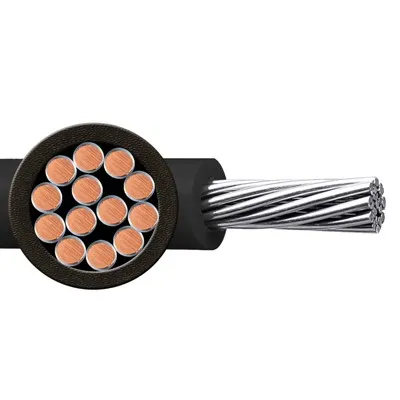
First off, let’s get one thing straight: installation cables aren’t all the same. I’ve seen contractors grab a random roll of wire from the job site supply bin and wonder why the lights are flickering or the internet cuts out mid-meeting. The difference comes down to where they’re installed, what they’re carrying, and the environment they’ll live in. I work with installers, electricians, and even some small business owners all the time, and the number one question I get is “Which cable do I use where?” So let’s run through the main types, no jargon, just real talk.
Starting with the most common one you’ll find in almost every home or office: non-metallic (NM) sheathed cable, aka Romex (that’s the brand name everyone uses, honestly). NM cable is the white, rectangular stuff you see when you open a wall plate, right? It’s made up of two or three insulated conductors wrapped in a plastic outer jacket, no metal armor. Why is it so popular? It’s cheap, easy to bend, and perfect for indoor dry locations—like walls, attics, and basements that aren’t super humid. But here’s the catch: you can’t use it outside or in damp spaces like bathrooms, kitchens, or utility rooms where there’s water exposure. The plastic jacket breaks down from moisture and UV light super fast. I’ve had clients tell me they used NM for a backyard shed power line, and within a year the wire was corroded so bad it almost caused a short. Don’t do that. Stick to NM for interior, dry locations, and you’re golden.
Next up, if you’re working outside or in damp spaces, you need wet location cables, which are often just called UF cable (underground feeder). UF is basically NM cable’s water-resistant cousin. The outer jacket is thicker and made of a UV-stabilized plastic that doesn’t break down when exposed to rain, snow, or sunlight. It also can be buried directly in the ground—no conduit needed. That’s a big plus for landscape lighting, underground power lines for sheds, or any outdoor project. But wait, don’t use UF inside your walls. It’s stiffer than NM, a bit more expensive, and honestly overkill for indoor dry spaces. I always tell people: match the cable to the job, don’t use a sledgehammer for a nail. UF is the go-to for outdoor and underground, full stop.
Now, let’s talk about something a lot of folks miss when they’re wiring new builds or retrofitting: armored cables. If you’ve got areas where the cable might get damaged by nails, rodents, or physical impact, armored (AC) cable is your guy. The outer jacket here isn’t plastic—it’s a thin metal armor (usually steel) that wraps around the conductors, protecting them from punctures. There’s also a type called MC cable (metal-clad), which is similar but has a thinner, more flexible armor, plus often a ground wire built right in. When would you use armored cable? Attics where you might be walking around, spaces with lots of construction debris, old homes where you’re running new wire next to existing studs (no risk of a nail piercing the insulation), or even in some commercial spaces where physical damage is a real threat. The only downside? It’s a bit harder to bend than NM or UF, so you might need a special tool to cut it clean. But the peace of mind knowing rodents can’t chew through it? Worth the extra 10 minutes of work. I had a customer a couple years back who used regular NM in a garage that had a mouse infestation—by the end of winter, half the wires were gnawed through. Switched to AC cable the next time, no more issues. Lesson learned.
If you’re in the commercial game or running high-voltage power for big machines, you’re dealing with power distribution cables, also called service entrance cables. These are the big, thick cables that run from the street power line to your building’s main electrical panel. They’re built to carry massive amounts of electricity, have super heavy insulation to handle high voltage, and are designed to be installed outdoors, often in conduit. I work with a lot of general contractors on retail stores and office parks, and service entrance cables are non-negotiable there—you can’t use NM or UF for the main power feed. They come in different sizes, measured in kcmil (thousand circular mils, if you care about the numbers), so you have to pick the right size for your building’s power needs. Too small, and you’ll get overheating that causes fire risks; too big, and you’re wasting money on cable you don’t need. It’s a balance, and that’s where a good supplier comes in to help you get the sizing right.
Wait, let’s not forget about low-voltage cables, because these are the ones most people don’t notice but use every single day. Low-voltage is anything under 50 volts, so that’s your internet, TV, security systems, doorbells, and even the smart thermostats that control your AC. The main types here are Ethernet cable (for Wi-Fi routers, computer networks), coaxial cable (for cable TV and some security systems), and thermostat wire (for HVAC). Ethernet is super specific these days—most people need Cat6 or Cat6a cable for gigabit internet, because older Cat5e can’t handle the speed you get from modern plans. I’ve had clients try to save a buck by using old Cat5e, and they wonder why their Zoom calls freeze or their movie streams buffer. Coaxial is still around for cable, but a lot of people are switching to Ethernet for that too, since it’s faster. Thermostat wire is just thin, multi-strand wire that runs between your AC unit and the wall thermostat, easy to install but you have to get the right gauge—too thin, and the signal gets spotty. Low-voltage cables might seem small, but they’re the backbone of all your tech, so don’t skip on quality here.
Another type I should mention is fire-rated cables, which are a must for commercial buildings and multi-family homes. Regular cables can release toxic fumes when they burn, and if they’re running through walls or ceilings, fire can spread along the wire super fast. Fire-rated cables have special insulation that doesn’t burn as easily and limits smoke and toxic emissions. They’re required by building codes in almost every state for spaces like stairwells, elevator shafts, and hallways, where fire safety is non-negotiable. I always make sure my commercial clients know they can’t use regular NM or Ethernet cables in those areas—they’ll fail inspections, and that’s a huge headache to fix mid-project. Fire-rated might cost a bit more, but it’s worth it to stay compliant, keep people safe, and avoid fines.
Now, let’s get real about what to look for when picking any installation cable. First, check the local building codes. Those aren’t just suggestions—they’re there for a reason, and cutting corners here will only cause you problems later. Second, match the cable to the environment: dry vs damp vs outdoor vs underground. Third, get the right gauge (thickness) for the current you’re carrying. Thicker wire = lower gauge number, can carry more power without overheating. Finally, buy from a reputable supplier, not the cheap no-name stuff on Amazon or random hardware stores. I’ve seen too many cheap cables that have thinner insulation, so they break way faster, or have conductors made of aluminum instead of copper (aluminum is cheaper but it can corrode and has higher resistance, leading to overheating). Copper is always better for installation cables, in my experience.
At the end of the day, picking the right installation cable isn’t rocket science, but it’s a detail that makes or breaks a project. Whether you’re rewiring a single-family home, installing landscape lighting, or setting up a commercial office’s power and tech, using the wrong cable can lead to everything from bad Wi-Fi to fire hazards to failed inspections. I’ve been in this industry long enough to know that most mistakes come from cutting costs or skipping a quick check of where the cable’s going.

If you’re working on a project right now and you’re not sure which cable you need, or you just want to grab high-quality, code-compliant installation cables without the hassle of running to three different stores, hit us up. We’ve got all the types we talked about—NM, UF, armored, low-voltage, fire-rated, service entrance—plus we can help you size everything right, answer any questions, and get your order to you fast so you don’t fall behind on your timeline. No pushy sales stuff, just honest advice from people who know installation cables inside and out.
Cable Assemblies & Accessories Don’t stress about the cable mix-up—let’s get it right the first time. Reach out to talk through your needs.
References
- National Electrical Code (NEC) Article 334 (Non-Metallic Sheathed Cable), Article 340 (Underground Feeder and Branch-Circuit Cable), Article 358 (Metal-Clad Cable)
- Underwriters Laboratories (UL) Standard 444 for Fire-Resistive Cables
- Telecommunications Industry Association (TIA) 568-C.2 Standard for Balanced Twisted-Pair Ethernet Cables
Yangzhou Huayu Cable Co., Ltd.
Address: No. 9 Jingang Road, Yangzhou City, Jiangsu Province, China
E-mail: huayucableco@126.com
WebSite: https://www.huayucabletech.com/
