Can PVG Conveyor Belts be used in salt – spray environments?
As a trusted provider of PVG conveyor belts, I often get inquiries from customers across different industries. One question that frequently comes up is whether our PVG conveyor belts can be effectively used in salt – spray environments. In this blog post, I’ll delve into the characteristics of PVG conveyor belts, the challenges posed by salt – spray environments, and evaluate their viability in such settings. PVG Conveyor Belt

Understanding PVG Conveyor Belts
PVG, or PVC – covered with gum, conveyor belts are a popular choice in many industrial applications. These belts are made up of a fabric carcass, typically made from polyester or nylon, which provides the necessary strength and flexibility. The PVC cover on one or both sides of the carcass offers resistance to various elements, chemicals, and wear. The gum topping further enhances the belt’s performance characteristics, such as grip and abrasion resistance.
The main advantages of PVG conveyor belts include high tensile strength, good flexibility, and excellent resistance to impact and abrasion. They are commonly used in industries like mining, cement, and food processing for transporting bulk materials efficiently.
Salt – Spray Environments: The Challenges
Salt – spray environments are extremely harsh for any equipment, and conveyor belts are no exception. The salt – laden air contains high concentrations of sodium chloride and other salts, which can cause significant corrosion and degradation over time.
Corrosion is one of the most prominent issues. Metals and other components of the conveyor belt system, such as belt fasteners, rollers, and frames, can corrode when exposed to salt spray. This can lead to weakened structures, reduced functionality, and eventually, equipment failure.
In addition to corrosion, the abrasive nature of salt particles can also damage the conveyor belt’s surface. The friction caused by the salt particles rubbing against the belt can wear down the cover layer, exposing the underlying carcass. This not only reduces the belt’s lifespan but also impacts its performance, such as grip and load – carrying capacity.
Moreover, the high humidity often associated with salt – spray environments can promote the growth of mold and mildew on the conveyor belt. This not only affects the hygiene of the belt but can also cause the material to break down more quickly.
Evaluating PVG Conveyor Belts in Salt – Spray Environments
When it comes to using PVG conveyor belts in salt – spray environments, several factors need to be considered.
Material Resistance
The PVC cover of PVG conveyor belts offers some level of chemical resistance. PVC is known for its ability to withstand the effects of many chemicals, including mild acids and alkalis. However, the long – term exposure to salt spray may pose a challenge. While the PVC cover can initially resist the corrosive effects of salt, over time, the salt particles may penetrate the cover and start to affect the underlying carcass.
The gum topping on PVG belts can also play a role. High – quality gum compounds can provide an additional layer of protection against abrasion and corrosion. The gum can act as a barrier, preventing salt particles from directly contacting the PVC cover and the carcass. However, it’s important to note that the gum may also degrade over time due to the harsh conditions in a salt – spray environment.
Design and Construction
The design and construction of the PVG conveyor belt can influence its performance in a salt – spray environment. For example, a well – sealed belt with proper edge protection can reduce the likelihood of salt water seeping into the belt’s internal structure. Additionally, the type of carcass material used can make a difference. Polyester carcasses are generally more resistant to moisture and corrosion compared to nylon carcasses.
Maintenance and Protection
Proper maintenance is crucial for using PVG conveyor belts in salt – spray environments. Regular cleaning of the belt to remove salt deposits can help prevent corrosion and abrasion. Using anti – corrosive coatings on the belt and associated equipment can also provide an extra layer of protection. Additionally, ensuring that the belt system is properly lubricated and that all components are in good working condition can extend the belt’s lifespan.
Case Studies
Let’s take a look at some real – world examples to better understand the performance of PVG conveyor belts in salt – spray environments.
In a coastal mining operation, PVG conveyor belts were initially installed for transporting coal. The mine was located near the sea, exposing the belts to regular salt – spray. In the first few months, the belts performed well, with no significant signs of damage. However, after about six months, some corrosion was observed on the belt fasteners and rollers. The surface of the belt also showed signs of abrasion due to the salt particles.
To address these issues, the mine management implemented a strict maintenance schedule. They started cleaning the belts daily with fresh water to remove salt deposits and applied an anti – corrosive coating to the belt fasteners and rollers. With these measures in place, the lifespan of the PVG conveyor belts was extended, and their performance was maintained at an acceptable level.
Conclusion
So, can PVG conveyor belts be used in salt – spray environments? The answer is yes, but with some caveats. PVG conveyor belts have certain characteristics that make them suitable for such environments, such as the chemical resistance of the PVC cover and the additional protection provided by the gum topping. However, the harsh conditions in salt – spray environments pose significant challenges, including corrosion, abrasion, and mold growth.
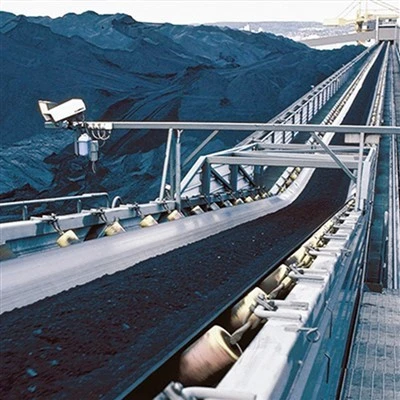
To ensure the successful use of PVG conveyor belts in salt – spray environments, proper design, construction, and maintenance are essential. By taking the necessary precautions, such as using high – quality materials, implementing a regular cleaning and maintenance schedule, and applying anti – corrosive coatings, the lifespan and performance of PVG conveyor belts can be optimized.
PVG Conveyor Belt If you’re considering using PVG conveyor belts in a salt – spray environment or have any other conveyor belt requirements, I’d be more than happy to discuss your specific needs. Our team of experts can provide customized solutions based on your application and operating conditions. Don’t hesitate to reach out for a detailed consultation and to start a productive conversation about purchasing the right conveyor belts for your business.
References
- "Conveyor Belt Handbook" by Conveyor Equipment Manufacturers Association
- "Corrosion in Marine Environments" by National Association of Corrosion Engineers
- Industry reports on the performance of conveyor belts in harsh environments
Alumina Technology (Qingdao) New Materials Co., Ltd.
As one of the most professional pvg conveyor belt manufacturers and suppliers in China, we also support customized service. With abundant experience, we warmly welcome you to buy pvg conveyor belt for sale here and get quotation from our factory. For price consultation, contact us.
Address: No.448, Jiangshan South Road, Huangdao District, Qingdao City, Shandong Province
E-mail: Gloria.zhang@contitech.cn
WebSite: https://www.altechconveyorbelt.com/
