As a supplier of White Polyaluminium Chloride (WPAC), I’m often confronted with inquiries regarding its multifaceted applications. Among the most pressing questions is about its effects on the removal of bacteria in water. This blog aims to delve into the scientific basis behind WPAC’s bactericidal capabilities and its implications for water treatment. White Polyaluminium Chloride
Understanding White Polyaluminium Chloride
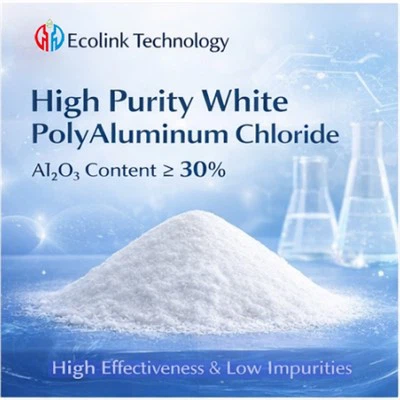
WPAC is a highly efficient inorganic polymer coagulant. With its white, powdery appearance, it stands out from the regular polyaluminium chloride due to its high purity and low impurity levels. In water treatment, it plays a pivotal role as a coagulating agent, which is essential for the removal of various contaminants, including bacteria.
The chemical formula of WPAC is [Al₂(OH)nCl₆ – n]m, where the value of “n” typically ranges from 1 to 5 and “m” represents the degree of polymerization. The unique structure of WPAC allows it to form large, stable flocs in water, which can effectively entrap and remove suspended particles, organic matter, and microorganisms.
Mechanisms of Bacteria Removal by WPAC
Coagulation and Flocculation
The primary function of WPAC in water treatment is to initiate the coagulation and flocculation process. When WPAC is added to water, it hydrolyzes to form positive aluminum hydroxide polymers. These polymers neutralize the negative charges on the surface of bacteria and other colloidal particles. As a result, the electrostatic repulsion between the particles is reduced, allowing them to come closer together and form aggregates.
As the aggregates grow in size, they become heavier and start to settle at the bottom of the water. This sedimentation process is crucial for the physical removal of bacteria from the water column. The larger flocs can be easily separated from the water through sedimentation tanks or filtration systems, effectively reducing the bacterial load in the treated water.
Adsorption
In addition to coagulation, WPAC also has strong adsorption properties. The surface of the aluminum hydroxide polymers can adsorb bacteria through various mechanisms, such as physical adsorption (van der Waals forces) and chemical adsorption (ionic bonding). As bacteria come into contact with the WPAC flocs, they adhere to the floc surface and are subsequently removed during the sedimentation or filtration process.
The adsorption capacity of WPAC is influenced by several factors, including the pH of the water, the concentration of WPAC, and the nature of the bacteria present. Generally, WPAC exhibits better adsorption performance in slightly acidic to neutral pH conditions.
Disruption of Bacterial Cell Membranes
Some studies have suggested that WPAC may also have a direct bactericidal effect on certain bacteria. The aluminum ions released during the hydrolysis of WPAC can interact with the components of the bacterial cell membrane, such as phospholipids and proteins. This interaction can disrupt the integrity of the cell membrane, leading to leakage of intracellular contents and ultimately, cell death.
However, it’s important to note that the direct bactericidal effect of WPAC is relatively limited compared to traditional disinfection agents such as chlorine. WPAC is primarily used as a coagulant to enhance the removal of bacteria through physical processes rather than as a standalone disinfectant.
Factors Affecting the Bacteria Removal Efficiency of WPAC
Dosage
The dosage of WPAC is a critical factor that affects its bacteria removal efficiency. Insufficient dosage may result in incomplete coagulation and flocculation, leading to poor removal of bacteria. On the other hand, excessive dosage can cause the formation of small, unstable flocs, which are difficult to separate from the water. Therefore, it’s essential to determine the optimal dosage of WPAC based on the characteristics of the water, such as turbidity, pH, and bacterial concentration.
pH Value
The pH value of the water has a significant impact on the hydrolysis of WPAC and the formation of flocs. Different pH conditions can result in the formation of different aluminum species, which have different coagulation and adsorption properties. In general, WPAC performs best in a pH range of 6.0 – 8.5. Outside this range, the bacteria removal efficiency may decrease due to the improper formation of flocs or the change in the surface charge of the bacteria.
Temperature
Temperature can also affect the performance of WPAC in bacteria removal. Lower temperatures generally slow down the hydrolysis and coagulation processes, resulting in reduced floc formation and bacteria removal efficiency. In contrast, higher temperatures can accelerate these processes, but excessive temperature may cause the decomposition of WPAC and affect its stability. Therefore, it’s important to consider the temperature of the water when using WPAC for bacteria removal.
Bacterial Types
Different types of bacteria have different surface characteristics and resistance mechanisms, which can affect their removal by WPAC. For example, some bacteria may have a thick capsule or a protective layer that makes them more resistant to the coagulation and adsorption effects of WPAC. Additionally, the physiological state of the bacteria, such as their growth phase, can also influence their removal efficiency.
Advantages of Using WPAC for Bacteria Removal
High Efficiency
WPAC is a highly efficient coagulant that can rapidly coagulate and flocculate bacteria and other contaminants in water. It can effectively reduce the turbidity and bacterial load of water in a short period of time, making it suitable for large – scale water treatment applications.
Wide Applicability
WPAC can be used in various water treatment scenarios, including drinking water treatment, industrial wastewater treatment, and sewage treatment. It can adapt to different water quality conditions and remove a wide range of bacteria, making it a versatile solution for water treatment.
Environmental Friendliness
Compared to some traditional water treatment chemicals, WPAC is relatively environmentally friendly. It has low residual aluminum levels in the treated water, which reduces the potential health risks associated with aluminum. Additionally, the use of WPAC can help reduce the amount of other chemical additives required in the water treatment process, leading to a more sustainable water treatment approach.
Case Studies
In many real – world applications, WPAC has demonstrated excellent performance in bacteria removal. For example, in a drinking water treatment plant in a rural area, the application of WPAC significantly reduced the bacterial count in the raw water. The plant initially faced challenges in meeting the drinking water quality standards due to high bacterial contamination. After switching to using WPAC as a coagulant, the flocculation and sedimentation processes became more efficient, and the bacterial removal rate increased from 60% to over 90%.
In an industrial wastewater treatment project, WPAC was used to treat wastewater containing a high concentration of bacteria and organic matter. By optimizing the dosage and operating conditions, WPAC effectively removed the bacteria and reduced the chemical oxygen demand (COD) of the wastewater, enabling the treated water to meet the discharge standards.
Conclusion
In conclusion, White Polyaluminium Chloride is a powerful tool for the removal of bacteria in water. Through its coagulation, flocculation, adsorption, and potential bactericidal effects, WPAC can significantly reduce the bacterial load in water. However, to achieve the best results, factors such as dosage, pH, temperature, and bacterial types need to be carefully considered.
As a WPAC supplier, I’m committed to providing high – quality products and technical support to help our customers achieve optimal water treatment results. If you’re looking for an effective solution for bacteria removal in your water treatment process, I encourage you to contact us for more information. We can work together to determine the most suitable application method and dosage of WPAC for your specific needs.
Anionic Polyacrylamide References:
- Water Treatment Chemicals Handbook. Second Edition. CRC Press.
- Journal of Environmental Science and Health, Part A: Toxic/Hazardous Substances and Environmental Engineering. Various issues related to water treatment and coagulation mechanisms.
- Research papers on the application of polyaluminium chloride in water treatment from academic databases such as Web of Science and ScienceDirect.
Shandong Ecolink Technology Co., Ltd.
Shandong Ecolink Technology Co., Ltd. is one of the most reliable white polyaluminium chloride manufacturers and suppliers in China. We warmly welcome you to wholesale bulk high quality white polyaluminium chloride from our factory. If you have any enquiry about cooperation, please feel free to email us.
Address: No. 8, Xiaying Chemical Industry Park, Aobu Road, Xiaying Town, Changyi City, Weifang City, Shandong Province,China
E-mail: sale02@ecolink-environment.com
WebSite: https://www.ecolink-environment.com/
