Hey everyone, it’s Mike here from the grinding wheels team – I’ve been getting so many DMs and calls lately from folks panicking about picking the wrong grinding wheel for their project. Like, I just had a guy last week who grabbed a random wheel from the hardware store for his metal fabrication shop, and it burned through 3 parts in 10 minutes because he used the wrong bond. Total avoidable headache, right? That’s why I’m breaking this down real simple today – no jargon overload, just the stuff that actually matters when you’re scrolling through our catalog or standing in front of a shelf at your local supply shop. Let’s dive in. Grinding Wheels
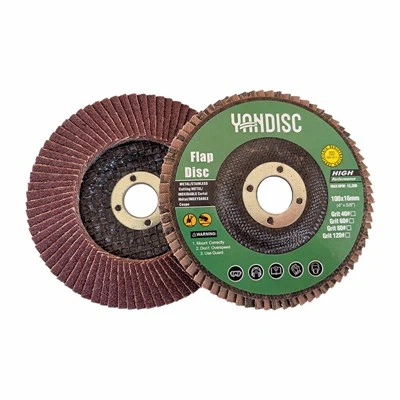
First off, let’s cut to the chase: there’s no “one-size-fits-all” wheel. I know, I know – you wish there was, but trust me, we’ve been doing this for over 15 years, and even our most advanced, multi-purpose wheels struggle with some specific jobs. The first thing you need to figure out is what you’re actually grinding. Are you working with metal? Wood? Concrete? Glass? Wait, not all metal is the same, either. Like, grinding mild steel is way different than grinding hardened steel or stainless. And concrete? That’s a whole separate beast because it’s got aggregate in it that’ll eat through soft wheels fast. Let’s use that example from last week – the guy was grinding hardened tool steel for custom wrenches, and he grabbed a general-purpose aluminum oxide wheel. Hardened steel’s tough, so you need a wheel that’s sharper, not one that’ll glide over the surface instead of cutting. General-purpose wheels are fine for quick rust removal or grinding mild steel for a fence post, but not for precision work on hard materials.
Next, let’s talk about the grit size. I feel like this is where so many people mess up. Grit is basically the tiny abrasive particles on the wheel’s surface. Fine grit means small particles, coarse grit means big ones. If you’re grinding down a big chunk of rough weld on a steel beam, you want coarse grit – like 24 or 36 grit. It’ll remove material way faster, even if it leaves a rougher finish. But if you’re doing finish grinding, like smoothing that same weld so it’s ready for paint or grinding a custom part to tight tolerances? Fine grit, like 80 or 120, is your jam. Wait, but here’s a pro tip: don’t skip the medium grits. Like 60 grit? It’s the happy medium. I use it all the time for blending rough spots into smooth ones without having to do 10 rounds of fine grit. A lot of first-timers go straight from 36 to 120 and end up with scratches they have to buff out anyway. Save yourself the time and grab a couple medium grits.
Then there’s the bond type – this is the part that a lot of beginners overlook, but it’s game changing. The bond is the material that holds all those abrasive grains together on the wheel. There are a few main types, and each has a super specific job. First, vitrified bonds – that’s the hard, ceramic-like stuff we use for most of our general purpose grinding wheels. They’re heat-resistant, so they don’t break down fast when you’re grinding hot material, and they give a consistent finish. Great for stationary grinders or bench grinders. Then there’s resin bonds – those are the flexible, tougher ones, usually used for cut-off wheels, flap discs, and flexible grinding wheels. They’re less brittle than vitrified, so they don’t shatter if they hit a hard spot. I recommend resin bonds for angle grinders, especially if you’re working on uneven surfaces like concrete or rusted steel. There’s also metal bonds, which are way harder, mostly used for grinding super tough materials like carbide or glass, but that’s probably overkill for most folks reading this.
Wait, don’t forget the wheel’s hardness rating. This one confused me for years when I first started out. Wheel hardness isn’t how hard the wheel is to push – it’s how well the bond holds onto the abrasive grains. A “hard” wheel has a stronger bond, so grains don’t break loose easily. A “soft” wheel has a weaker bond, so grains fall out as they wear. Let’s circle back to that hardened steel example. If you use a hard wheel on hardened steel, the abrasive grains won’t break loose when they get dull, so they’ll just rub and burn the metal. So you need a soft wheel there – the grains fall out, exposing new, sharp ones, so you keep cutting instead of burning. But if you’re grinding soft metal like aluminum, a soft wheel will wear way too fast, wasting money. You want a hard wheel there, so the grains stay in longer and cut consistently. That’s the trick – match wheel hardness to the material’s hardness. Soft wheel for hard materials, hard wheel for soft materials. Got it? I still have to check that in my head sometimes, so don’t feel bad if it takes a second.
Another big factor: your grinder’s specs. You can grab the perfect wheel on paper, but if it doesn’t fit your grinder, or if it’s rated for a different speed, it’s useless. I see this all the time – people buy a wheel that’s too big for their angle grinder, or a wheel that spins at 10,000 RPM for a grinder that only does 6,000. That’s a safety hazard, first off, but it also makes the wheel not perform like it should. Always check your grinder’s maximum RPM, the wheel’s diameter, arbor size (the hole in the middle), and thickness before you buy. If you need an adapter for the arbor, make sure it’s rated for the wheel’s speed too – don’t use a random adapter from your garage. Last month, a customer used an old adapter that wasn’t rated for high speed, and the wheel wobbled so bad he had to stop mid-job. Total waste of time.
Wait, let’s talk about special applications, because not everyone’s grinding metal or concrete. What if you’re grinding wood? Yeah, there are grinding wheels for that. Usually they’re resin-bonded, with coarse grit, and sometimes have a coating to keep them from clogging with sawdust. I’d avoid using a metal wheel for wood – it’ll clog immediately and just burn the wood. What about glass? Glass is super brittle, so you need a fine grit, soft metal bond wheel that cuts slow and doesn’t chip the glass. That’s a specialty wheel, not something you’d find at a big box store, but we carry them if you need ‘em. And for precision grinding, like making parts for machinery or automotive? You’ll want a vitrified bond wheel with consistent grit size, and a hardness rated for the material you’re working on. Those are the wheels we use for our own custom work, so we know they hold up.
Let me run through a quick example to make this concrete (pun intended, haha). Suppose you’re a home builder grinding down rough concrete on a patio. What wheel do you need? First, material: concrete. That’s abrasive, so you need a wheel that can handle that without wearing out too fast. Grit: coarse, like 24 or 36, because you’re removing a lot of material – the patio’s got high spots and mortar smears. Bond: resin, because you’re using an angle grinder, and resin is flexible enough to handle the uneven concrete without shattering. Wheel hardness: medium, not too soft, not too hard – concrete’s tough, but not as tough as hardened steel, so medium will balance material removal and wheel life. Grinder specs: make sure the wheel’s rated for your angle grinder’s speed, and the arbor fits. That’s it, you’re good to go.
Another example: custom motorcycle builder grinding hardened titanium parts. Material: hardened titanium. That’s super tough, so you need a soft wheel so grains break loose when dull. Grit: fine, like 120, because you want a smooth finish for the polished titanium look. Bond: vitrified, because it gives a consistent finish and doesn’t clog with titanium dust. Wheel hardness: soft, like I said, so you don’t burn the titanium. Grinder: probably a die grinder, so make sure the wheel’s small enough for the die grinder’s head. That’s the right combo, no burned parts, no wasted wheels.
Wait, common mistakes to avoid, okay? Let’s list those out so you don’t make ‘em. First, buying the cheapest wheel on the market. I get it, everyone wants to save money, but a $5 wheel that wears out in 5 minutes is way more expensive than a $10 wheel that lasts an hour. We source our abrasives from the same top suppliers as the big brands, so our prices are fair, not the rock-bottom garbage that’ll break or burn your parts. Second, not checking the wheel’s rating. Never use a wheel that’s past its expiration date – yeah, wheels have a shelf life, especially resin ones, because the bond can break down over time. Third, ignoring safety. Always wear eye protection, a dust mask, and gloves when grinding. Even the right wheel can send sparks or debris flying if you’re not careful. Fourth, forcing the wheel. A lot of people think if you push hard, you’ll grind faster, but that just wears out the wheel faster, can make it wobble, and is a safety risk. Let the wheel do the work – apply steady, light pressure, and let the grit cut on its own.
If you’re still stuck, don’t overthink it. That’s why we’re here. I get that there’s a lot of info, and it’s easy to feel overwhelmed. When I first started in this business, I’d spend hours on the phone with customers walking them through their project, asking questions like: what material are you grinding? What kind of grinder are you using? What finish do you need? Once I have those answers, it’s super easy to point you to the right wheel. No pressure, no complicated sales pitches – just honest advice.
Wait, I should mention that we have sample packs if you want to test a few grits or bonds before you buy a big box. Like, if you’re not sure if coarse or medium grit is right for your welds, grab a small sample pack with 24, 60, and 120 grit, and test ‘em on a scrap piece of your material. That way you don’t waste money on a full wheel that doesn’t work. We do that because we know every project’s different, and everyone learns by testing, right?
Another thing: when you get the wheel, check it before you mount it. Tap it gently with a small wrench – it should make a clear, high-pitched ring. If it sounds dull or thud-y, the wheel’s cracked, and you shouldn’t use it. Cracks can make the wheel shatter mid-grind, which is dangerous. That’s a quick check you can do in 2 seconds, and it’ll save you from a bad accident.
Okay, let’s wrap this up. Picking the right grinding wheel doesn’t have to be rocket science. Remember the four main things: what material you’re grinding, the grit size for your desired finish, the bond type for your grinder, and the wheel hardness matched to your material’s hardness. Don’t forget to check your grinder’s specs, avoid the common mistakes (cheap wheels, forcing pressure, bad safety), and if you’re stuck, just hit us up. We’re here to help, not just sell you a wheel. If you tell us exactly what you’re working on, we’ll give you a solid recommendation that’ll save you time, money, and frustration.
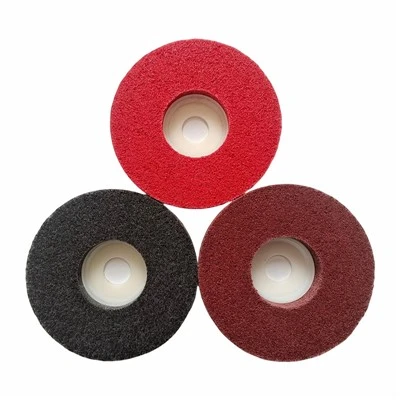
We’ve worked with everyone from home DIYers to big fabrication shops, so we know our stuff. Whether you need a wheel for a one-time patio project or bulk wheels for a auto body shop, we’ve got you covered. Just reach out to our team to chat through your project, and we’ll make sure you get the right wheel for the job. No pressure, no weird hoops to jump through – just real advice from people who do this every day.
Aluminum Oxide Flap Disc References:
- abrasive technology institute. (n.d.). grinding wheel selection guide.
- tools of the trade association. (2022). best practices for grinding wheel application and maintenance.
- machining science press. (2021). material compatibility in abrasive grinding operations.
- occupational safety and health administration. (2020). safety standards for abrasive wheel use in industrial and DIY settings.
Henan Yandisc Hardware Tools Co., Ltd.
Address: Zinan Road, High-tech Industrial Development Zone, Zhengzhou, Henan, China
E-mail: info@yandisc.com
WebSite: https://www.yandisc.com/
